
Eco-Friendly Design Materials and Biodegradable Options
In today's world, where sustainability is gaining more importance, eco-friendly design materials are becoming a popular choice among designers and consumers alike. These materials not only reduce the environmental impact but also add a unique touch to the design. Let's explore some eco-friendly options and biodegradable alternatives that can be incorporated into various design projects.
1. Bamboo
Bamboo is a versatile and sustainable material that grows rapidly and requires minimal resources to thrive. It can be used for flooring, furniture, and even decorative items, adding a natural and eco-friendly element to the design.

2. Cork
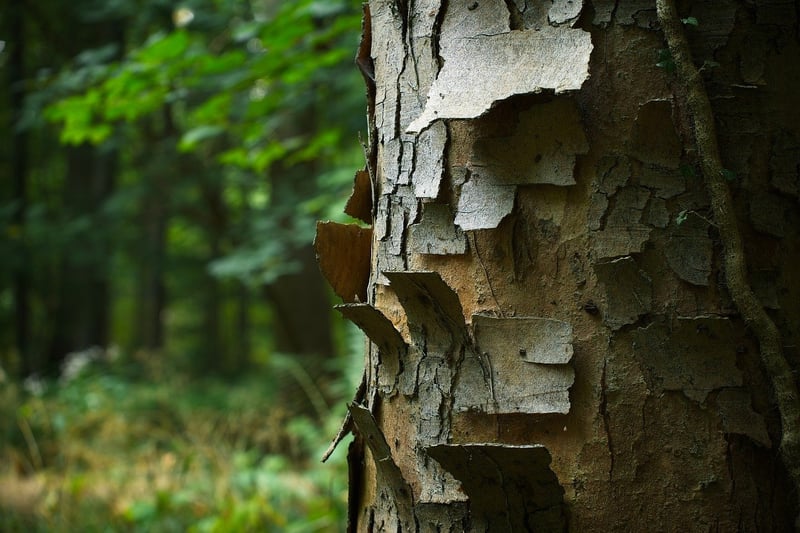
Cork is a renewable material harvested from the bark of cork oak trees. It is lightweight, durable, and has excellent acoustic insulation properties, making it an ideal choice for flooring, wall coverings, and furniture.
3. Recycled Glass
Using recycled glass in design projects not only reduces waste but also adds a unique aesthetic appeal. Recycled glass can be transformed into countertops, tiles, and decorative accents, giving a colorful and eco-friendly touch to the space.

4. Biodegradable Plastics
Biodegradable plastics are a sustainable alternative to traditional plastics, as they can break down naturally without harming the environment. These plastics can be used in packaging, 3D printing, and various other applications, reducing the carbon footprint of the design.

5. Organic Fabrics
Choosing organic fabrics like cotton, linen, or hemp for upholstery, curtains, and bedding is another way to incorporate eco-friendly materials into design projects. These fabrics are grown without harmful chemicals, promoting a healthier environment.
By embracing eco-friendly design materials and biodegradable options, designers can create sustainable and visually appealing spaces that contribute to a greener future.
References:
Pixabay